Send us a text
We usually respond via text within a few minutes.
Send us a text
We usually respond via text within a few minutes.
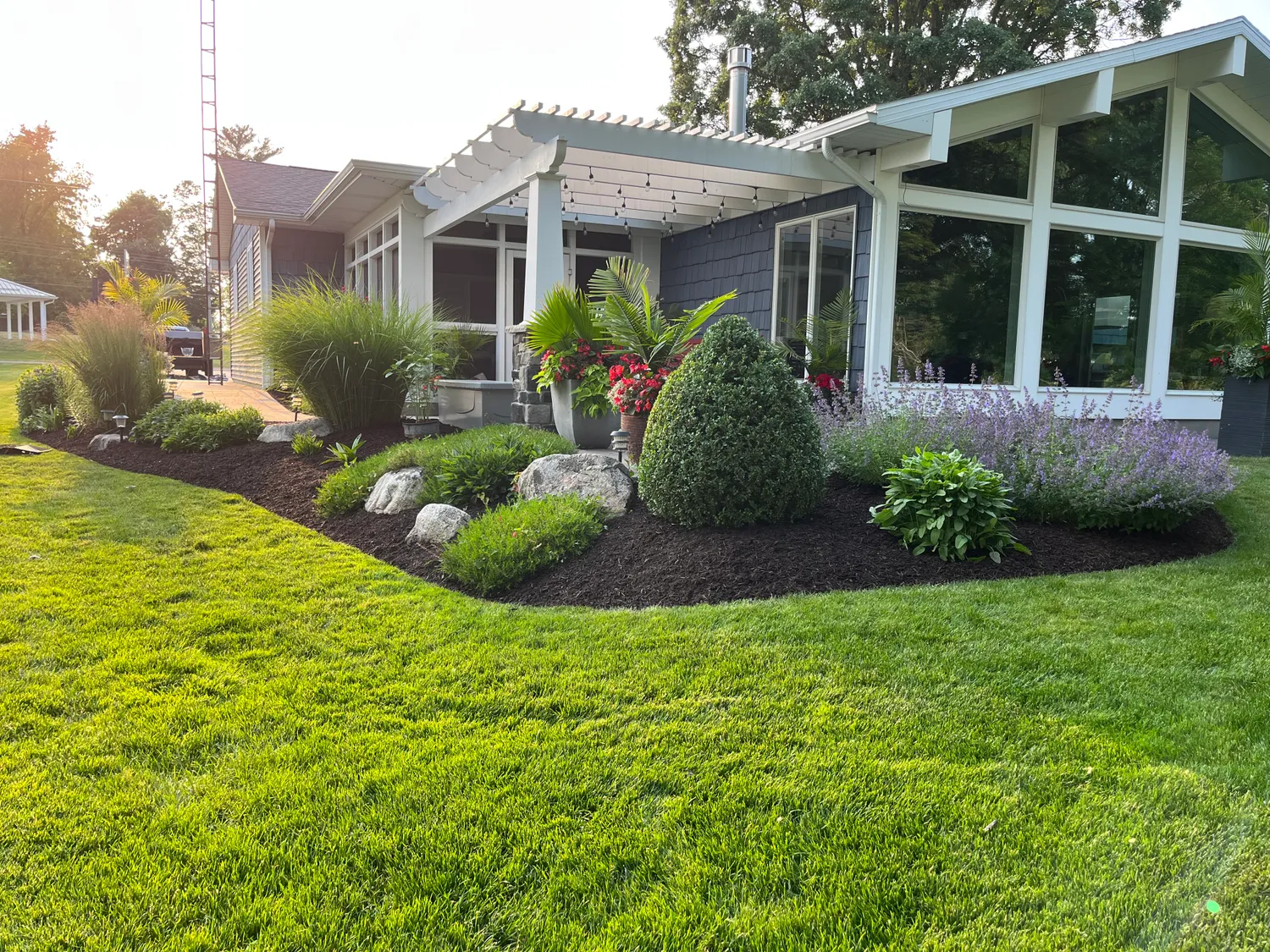
Xeriscaping begins with design and planning. The key is to create a well-thought-out landscape design that optimizes water use. Start by assessing your garden’s current layout and identifying areas that receive varying levels of sun exposure. Grouping plants with similar water needs will help manage irrigation more efficiently. Consider incorporating hardscaping elements such as gravel paths, stone patios, and decorative rocks which require zero water and enhance your yard's visual appeal.
The choice of plants is crucial in any xeriscaped garden. Opt for drought-tolerant species that thrive in your specific climate. These might include native grasses, succulents, and perennials that have adapted to local conditions. Native plants, compared to introduced species, require less maintenance and water, making them an excellent choice for eco-friendly gardening. Remember, selecting plants with a variety of heights, colors, and textures will create a dynamic landscape that offers visual interest year-round.
Effective irrigation is another pillar of xeriscaping. At TNT Lawn Care, we recommend installing a drip irrigation system which delivers water directly to the plant roots, minimizing evaporation and waste. Using a mulch layer around your plants can further reduce water loss by maintaining soil moisture and suppressing weed growth. Organic mulches such as wood chips or bark not only conserve water but also enrich the soil as they decompose.
Soil improvement is also a valuable part of xeriscaping. Healthy soil enhances water retention, which is integral to maintaining plants with minimal water use. Aerating your lawn and incorporating organic matter like compost can improve soil structure and support root growth. Consider having a soil test done to tailor your improvement practices to the specific needs of your lawn.
Another effective strategy in water-efficient landscaping is zoning your yard. This involves allocating parts of your garden to different types of activities or plants based on water needs. Create zones with higher water demands, such as vegetables and high-maintenance flowers, closer to your water source. Dedicating separate zones for play, relaxation, and diverse planting ensures your garden remains functional and visually appealing with optimized water usage.
Lastly, regular maintenance is essential to the success of a xeriscaped lawn. Regular trimming, pruning, and weeding will keep plants healthy and prevent them from competing for resources. Additionally, occasional deep watering encourages deeper root systems, enhancing drought tolerance. Don’t forget to keep an eye on weather forecasts to adjust watering schedules accordingly.
Transitioning to a xeriscaped lawn with TNT Lawn Care will not only enhance the aesthetic of your home but also contribute to water conservation efforts. By implementing these practical tips, you’ll create a sustainable and beautiful landscape that thrives in harmony with the environment. Contact our team today to discover more ways to elevate your lawn care practices with eco-friendly solutions.
We usually respond via text within a few minutes.
We usually respond via text within a few minutes.